Tasks & Projects : Designed for Your Brain

Key Takeaways
- Your brain can only juggle 7 ± 2 items at once. Writing tasks down offloads that mental load so you can actually focus.
- Breaking projects into small steps activates chunking, the brain's natural way of processing information efficiently.
- Checking off tasks releases dopamine, the chemical linked to reward and motivation. Small wins keep you going.
- Unfinished tasks create mental tension (the Zeigarnik Effect). A clear task list resolves that tension and brings calm.
Your brain was not built to be a to-do list. George Miller proved this in 1956: short-term memory holds about 7 items. Maybe 9 on a good day. After that, things drop.
Tasks you meant to do. Appointments you swore you would remember. The thing your partner asked you to pick up on the way home.
The Power of Writing Things Down
Writing a task down closes the loop. The Zeigarnik Effect (1920s, originally about waiters) shows that unfinished tasks sit in your working memory until they are completed or recorded somewhere. Your brain treats an unwritten task as an open thread. A to-do list is not organization. It is permission to stop holding everything.
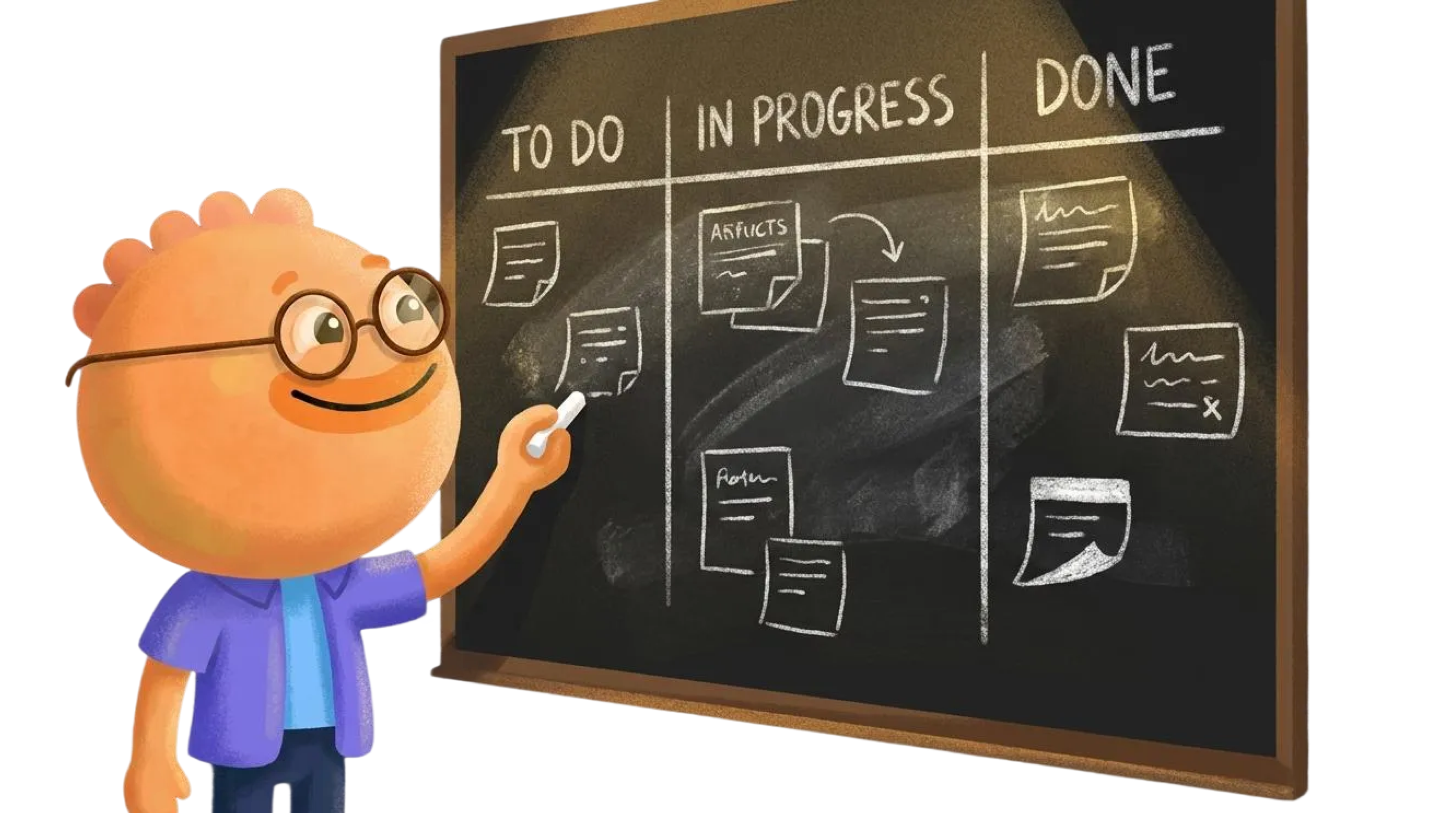
Breaking big work into small steps activates chunking. "Redesign the website" is paralyzing. "Pick three reference sites" is not. Each completed step triggers a small dopamine release. Measurable. Repeatable. That is why checking things off feels better than it should.
How to Apply This
- Group by context. Work together, errands together, study together. The grouping cuts the switching cost between different types of thinking.
- Break projects into steps you can finish in one sitting. If it takes more than 30 minutes, it is two tasks.
- Hide completed items. Crossed-out tasks still create visual noise.
- Tag by energy, not just priority. Some work needs deep focus. Some needs five minutes and a phone. Match the task to your state.
If you struggle with task management and focus, our guide on how to become disciplined offers practical strategies. And for a system-first approach, learn why systems beat goals when it comes to lasting productivity.
Ready to offload the clutter? Download Habi and start organising your tasks today.
Frequently Asked Questions
Why does writing tasks down help you focus?
Writing tasks down offloads your mental load, giving your brain permission to stop juggling and start focusing. According to cognitive psychologist George Miller, short-term memory holds only about 7 ± 2 items, so externalising your to-do list frees up cognitive capacity for deeper work.
What is the Zeigarnik Effect?
The Zeigarnik Effect explains why unfinished tasks stick in your mind and create mental tension. Creating a clear task list resolves that tension, allowing you to move through your day with more clarity and calm.
How should I organise my tasks for maximum productivity?
Group tasks by context or category such as Work, Study, or Chores to reduce decision load. Break projects into clear, specific steps. Hide completed items to limit visual clutter. Use tags for priority, energy level, or mood to match tasks to your current state.
What is chunking and how does it help?
Chunking is the brain's natural way of processing information more efficiently by grouping related items together. Breaking big projects into smaller, clear tasks activates chunking, making overwhelming work feel manageable.
