Bad Habits List: 27 Habits to Quit and What to Do Instead
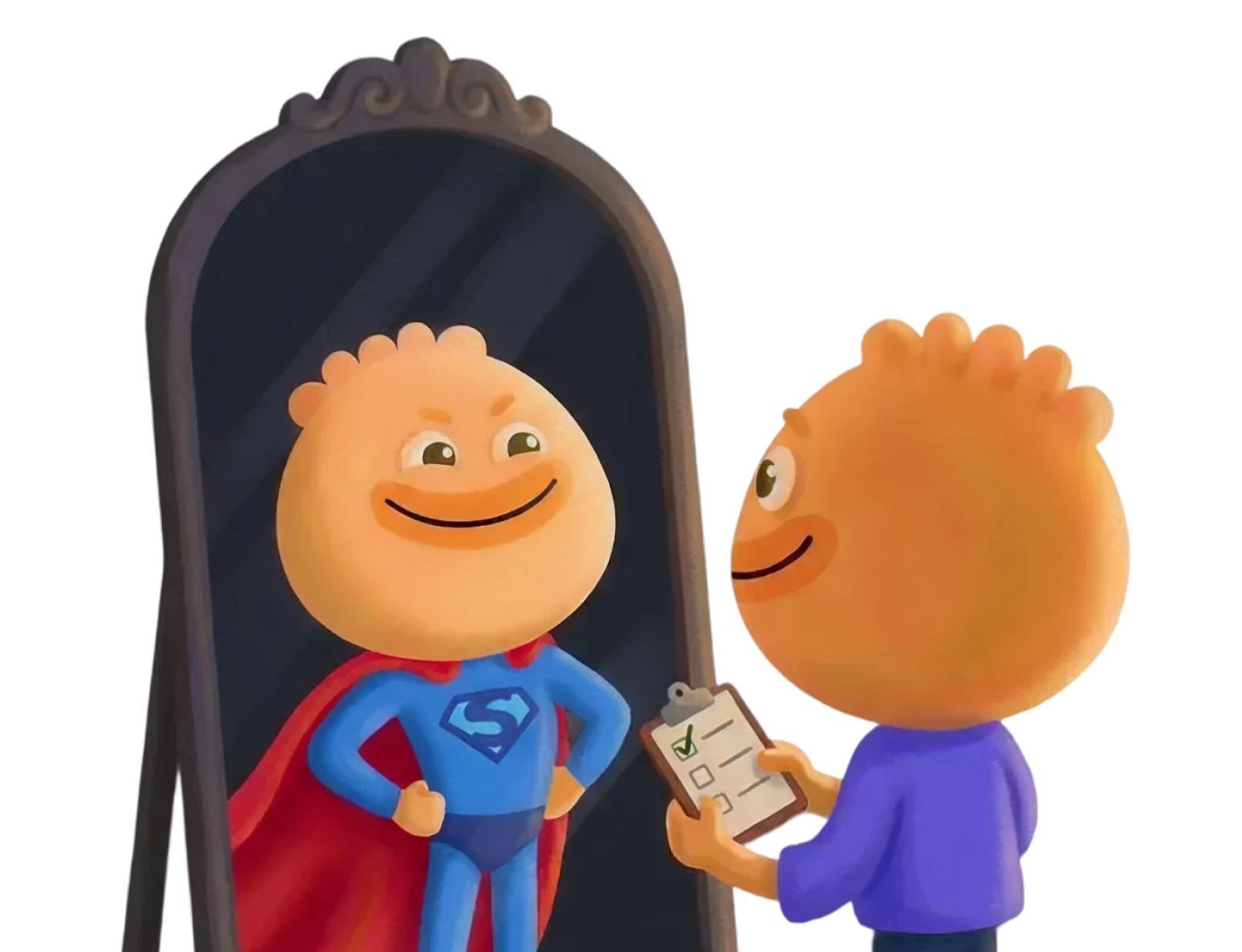
You probably already know which of your habits are bad. The real problem is that you've never written them down, looked at them honestly, and picked one to change.
This is a list of 27 common bad habits organized by category. For each one, you'll get a short explanation of why it's harmful and a specific replacement behavior you can start today. No vague advice. No lectures. Just the habit, the damage, and the swap.
Research from Duke University found that roughly 45% of daily behavior is habitual, meaning it runs on autopilot without conscious decision-making. That's both the problem and the opportunity. If nearly half your day is automated, changing even two or three of those routines can shift your trajectory.
We built Habi to track exactly these kinds of changes. But this article isn't about our app. It's about helping you identify the habits that are quietly costing you your health, time, money, and peace of mind. If you want the science of how to break them, we wrote a full guide on how to break bad habits. This page is the "what." That page is the "how."
Why a Bad Habits List Matters
Most people try to change behavior through motivation. They feel inspired for a few days, push hard, burn out, and return to baseline. The pattern repeats every January and every Monday.
A list works differently. It forces recognition. Scanning through categories and thinking "that's me" is the first step toward what psychologists call awareness training, which is the foundation of every evidence-based habit change method. You can't fix what you haven't named.
The list below covers five areas of life: health, productivity, money, relationships, and mindset. You don't need to tackle all 27. Read through, circle the ones that hit, and pick one. Just one. That's how it starts.
Health & Body Habits
1. Chronic Sleep Deprivation
Why it's harmful: Sleeping under seven hours consistently impairs memory, weakens your immune system, and increases the risk of heart disease. It also tanks your willpower, making every other habit on this list harder to address.
What to do instead: Set a non-negotiable bedtime alarm 8 hours before you need to wake up. Start your night routine 60 minutes before that alarm. Your body adjusts within a week.
2. Sitting for Hours Without Moving
Why it's harmful: The World Health Organization reports that physical inactivity increases death risk by 20 to 30%. Sitting for extended periods slows metabolism, raises blood pressure, and contributes to chronic back pain.
What to do instead: Set a timer for every 50 minutes. Stand, stretch, or walk for 2 minutes. If you use a focus timer, the break is already built in.
3. Skipping Breakfast (or Eating Junk for Breakfast)
Why it's harmful: Running on empty until noon leaves your blood sugar unstable, increases cortisol, and makes you more likely to overeat later. A sugary cereal or pastry creates a spike-and-crash cycle that kills your focus before 10 AM.
What to do instead: Prep a simple protein-based breakfast the night before. Eggs, Greek yogurt with nuts, or overnight oats take under 5 minutes.
4. Late-Night Snacking
Why it's harmful: Eating within 2 hours of sleep disrupts your circadian rhythm and reduces sleep quality. Your body diverts energy to digestion instead of recovery. Over time, late-night eating correlates with weight gain independent of total calorie intake.
What to do instead: Close the kitchen after dinner. Brush your teeth as a signal. If genuine hunger hits, drink water or herbal tea.
5. Not Drinking Enough Water
Why it's harmful: Even mild dehydration (1-2% of body weight) impairs concentration, increases fatigue, and triggers headaches. Most people mistake early dehydration for hunger and eat instead of drinking.
What to do instead: Keep a water bottle at your desk and drink before you feel thirsty. Track your water intake alongside your other daily habits.
6. Smoking
Why it's harmful: The CDC reports that cigarette smoking causes more than 480,000 deaths per year in the United States alone. It damages nearly every organ and is the leading cause of preventable death.
What to do instead: Talk to your doctor about nicotine replacement therapy. Supplement with a physical replacement for the hand-to-mouth motion (toothpick, cinnamon stick, or sugar-free gum). Track your smoke-free days to build momentum.
Productivity & Time Habits
7. Checking Your Phone First Thing in the Morning
Why it's harmful: Opening email, social media, or news before you've set your own priorities puts you in reactive mode immediately. Someone else's agenda becomes your morning. Research on dopamine and digital stimulation shows that early-morning scrolling primes your brain for distraction the rest of the day.
What to do instead: Keep your phone outside the bedroom. Spend the first 30 minutes on your morning routine before touching any screen.
8. Multitasking
Why it's harmful: Your brain doesn't actually multitask. It rapidly switches between tasks, losing time and accuracy with each switch. Studies show multitasking can reduce productivity by up to 40% and increase error rates.
What to do instead: Work on one task at a time using a timer. Even 25 minutes of single-tasking beats 60 minutes of scattered attention. See our comparison of Pomodoro, Flowtime, and Time Blocking to find your method.
9. Procrastinating on Important Tasks
Why it's harmful: Procrastination isn't laziness. It's emotional avoidance. You delay the hard task, do easy ones instead, and the anxiety grows with every hour. The task itself takes the same amount of time whether you start it now or start it after three days of dread.
What to do instead: Use the two-minute rule: commit to just two minutes of work on the task. Most of the time, starting is the hard part. Once you're in motion, you keep going. For a deeper framework, read our full guide on how to stop procrastinating.
10. Saying Yes to Everything
Why it's harmful: Every yes to someone else's priority is a no to your own. Chronic people-pleasing fills your calendar with commitments that drain you and leaves no room for the work that actually matters.
What to do instead: Default to "Let me check my schedule and get back to you." This creates a gap between the request and your response. During that gap, ask: "Does this align with my top three priorities this week?"
11. Not Planning Your Day
Why it's harmful: Without a plan, you drift toward whatever feels urgent, not what's important. You spend the day reacting and end it wondering where the time went. Studies show that planning increases goal attainment significantly.
What to do instead: Spend 5 minutes each morning (or the night before) writing down your three most important tasks. Build your daily system around completing those first.
12. Leaving Tasks 90% Finished
Why it's harmful: Almost-done tasks create a mental tax. The Zeigarnik Effect means your brain keeps unfinished tasks in active memory, draining cognitive resources. Ten tasks at 90% generate more stress than five completed tasks and five not yet started.
What to do instead: Before starting something new, ask: "Can I finish any open task in the next 15 minutes?" Close the loop, then move on.
Money & Finances Habits
13. Impulse Buying
Why it's harmful: Impulse purchases feel like small indulgences, but they compound. The average American spends over $5,000 per year on impulse buys. Each purchase delivers a brief dopamine hit followed by regret, creating the same reward loop as any other bad habit.
What to do instead: Implement a 48-hour rule for any non-essential purchase over $30. Add it to a "waiting list" instead of a cart. Most items lose their appeal within two days.
14. Not Tracking Your Expenses
Why it's harmful: If you don't know where your money goes, you can't control it. Most people underestimate their monthly spending by 20-30%. Subscriptions, dining, and small recurring charges add up invisibly.
What to do instead: Review your bank statement once a week (10 minutes). Categorize spending into "needs," "wants," and "waste." The awareness alone changes behavior.
15. Paying Only the Minimum on Credit Cards
Why it's harmful: A $5,000 balance at 22% interest with minimum payments takes over 20 years to pay off and costs you more than $8,000 in interest. Minimum payments are designed to maximize profit for the card company, not to help you.
What to do instead: Pay at least double the minimum. Prioritize the highest-interest card first (avalanche method). Automate the payment so you can't negotiate with yourself each month.
16. Subscription Creep
Why it's harmful: The average person spends $219/month on subscriptions but thinks they spend around $86. Streaming services, apps, gym memberships, and SaaS tools quietly drain your account because they're designed to be forgotten.
What to do instead: Audit your subscriptions quarterly. Cancel anything you haven't used in the past 30 days. If you miss it, you can always resubscribe.
17. Retail Therapy (Emotional Spending)
Why it's harmful: Using shopping to regulate emotions creates a cycle identical to any other coping mechanism: stress, purchase, brief relief, guilt, more stress. The underlying emotion never gets addressed.
What to do instead: When the urge to shop hits, write down what you're actually feeling. Bored? Anxious? Lonely? Then address the feeling directly: call a friend, go for a walk, or journal for 5 minutes.
Relationships & Social Habits
18. Doom Scrolling
Why it's harmful: Endlessly scrolling negative news and social media feeds activates your amygdala (threat detection) and keeps your stress response elevated for hours. It fragments your attention and leaves you feeling worse than before you picked up the phone.
What to do instead: Set a specific 15-minute window for news consumption once per day. Outside that window, the apps stay closed. A structured dopamine detox can help reset your baseline.
19. Not Actually Listening (Waiting to Talk)
Why it's harmful: If you're formulating your response while the other person is still speaking, you're not listening. People notice. It erodes trust, kills intimacy, and ensures that conversations stay surface-level.
What to do instead: After someone finishes a thought, pause for 2 seconds before responding. Repeat their point back briefly: "So you're saying..." This forces actual comprehension.
20. Comparing Yourself to Others Online
Why it's harmful: Social media shows highlight reels. You're comparing your behind-the-scenes footage to someone else's curated output. Research consistently links social comparison to decreased self-esteem and increased anxiety and depression.
What to do instead: Unfollow accounts that make you feel inadequate. Follow accounts that teach you something. Better yet, shift from consumption to creation: post your own work instead of consuming others'. Build your identity around what you create, not what you consume.
21. Using Your Phone During Conversations
Why it's harmful: Even a phone face-down on the table reduces conversational quality. Researchers call it "phubbing" (phone snubbing), and studies show it reduces relationship satisfaction, perceived empathy, and communication quality.
What to do instead: Phone goes in your pocket or bag when you're with someone. Not face-down on the table. In the pocket. Out of sight, out of competition for your attention.
22. Gossiping
Why it's harmful: Talking about someone who isn't present trains people to assume you talk about them when they're not present. It creates an environment of distrust and makes your relationships feel fragile.
What to do instead: Apply the "say it to their face" test. If you wouldn't say it directly to the person, don't say it at all. Redirect the conversation to something constructive.
Mental Health & Mindset Habits
23. Negative Self-Talk
Why it's harmful: "I'm so stupid" and "I always mess things up" aren't just expressions. They're instructions to your brain. Repeated negative self-talk reinforces neural pathways for self-doubt and learned helplessness. Over time, it becomes your default internal monologue.
What to do instead: Catch the thought and reframe it factually. Not "I'm stupid" but "I made an error on this task, and I can fix it." This isn't toxic positivity. It's accuracy. Our guide on identity-based habits covers how to reshape the story you tell yourself.
24. Perfectionism
Why it's harmful: Perfectionism isn't high standards. It's the fear of being judged for falling short. It leads to procrastination (if I don't try, I can't fail), overwork (spending 3 hours on something that needed 30 minutes), and chronic dissatisfaction with genuinely good work.
What to do instead: Set a "good enough" threshold before you start any task. Define what 80% looks like and ship it. You can always iterate. For most things, done is better than perfect.
25. Catastrophizing
Why it's harmful: Jumping to the worst-case scenario ("If I fail this exam, my life is over") floods your body with cortisol and adrenaline for events that haven't happened and probably won't. Catastrophizing trains your nervous system to live in a state of constant threat.
What to do instead: Ask yourself three questions: "What's the worst that could happen? What's the most likely outcome? What would I tell a friend in this situation?" The most likely outcome is almost never the catastrophe.
26. Avoiding Discomfort
Why it's harmful: Growth only happens at the edge of your comfort zone. Consistently avoiding difficult conversations, challenging tasks, or emotional discomfort keeps you stuck. Your world shrinks a little bit each time you retreat from something uncomfortable.
What to do instead: Do one uncomfortable thing per day, on purpose. A cold shower. A difficult conversation. Asking for feedback. Building discipline is less about willpower and more about expanding your tolerance for discomfort.
27. People-Pleasing
Why it's harmful: Saying yes when you mean no creates resentment, burnout, and a loss of identity. You become so focused on what others want that you lose track of what you want. People-pleasing isn't kindness. It's self-abandonment disguised as generosity.
What to do instead: Practice saying no to one small thing per week. Start with low-stakes requests. Build the muscle. Notice that the world doesn't end when you set a boundary.
Quick Reference: Bad Habits and Their Replacements
| Category | Bad Habit | Replacement |
|---|---|---|
| Health | Chronic sleep deprivation | 8-hour bedtime alarm + night routine |
| Health | Sitting for hours | 50-minute timer, 2-minute movement break |
| Health | Skipping breakfast | Prep protein breakfast the night before |
| Health | Late-night snacking | Close kitchen after dinner, brush teeth |
| Health | Not drinking enough water | Water bottle at desk, drink before thirst |
| Health | Smoking | Nicotine replacement + physical substitute |
| Productivity | Phone first thing in morning | Phone outside bedroom, 30-min screen-free |
| Productivity | Multitasking | Single-task with timer (Pomodoro/Flowtime) |
| Productivity | Procrastinating | Two-minute rule: start with 2 minutes |
| Productivity | Saying yes to everything | "Let me check my schedule" default |
| Productivity | Not planning your day | 5-minute morning plan, top 3 tasks |
| Productivity | Tasks left 90% done | Close one open task before starting new |
| Money | Impulse buying | 48-hour waiting rule for purchases over $30 |
| Money | Not tracking expenses | 10-minute weekly bank statement review |
| Money | Minimum credit card payments | Double minimum, avalanche method |
| Money | Subscription creep | Quarterly audit, cancel unused in 30 days |
| Money | Retail therapy | Write down the emotion, address it directly |
| Relationships | Doom scrolling | One 15-minute news window per day |
| Relationships | Not actually listening | 2-second pause, repeat their point back |
| Relationships | Comparing yourself online | Unfollow, shift from consumption to creation |
| Relationships | Phone during conversations | Phone in pocket, not on table |
| Relationships | Gossiping | "Say it to their face" test |
| Mindset | Negative self-talk | Reframe factually: error, not identity |
| Mindset | Perfectionism | Set "80% good enough" threshold in advance |
| Mindset | Catastrophizing | Ask: "What's the most likely outcome?" |
| Mindset | Avoiding discomfort | One uncomfortable thing per day, on purpose |
| Mindset | People-pleasing | Say no to one small thing per week |
How to Actually Break These Habits
Recognizing a bad habit is step one. Breaking it is a different skill entirely. Here's the short version:
- Pick one habit. Not three. One. The one that bothers you most or affects the most areas of your life.
- Identify the trigger. What happens right before you do the thing? A time of day, a location, an emotional state, a preceding action.
- Choose a specific replacement. Never leave a vacuum. Every habit on the list above includes a replacement for exactly this reason.
- Redesign your environment. Add friction to the bad habit, remove friction from the replacement. This is the highest-leverage move you can make.
- Track your progress. Mark each day you stick with the replacement. A habit tracking app like Habi makes this effortless, but a piece of paper works too.
We covered the full science behind each step in our guide on how to break bad habits, including why willpower fails, how environment design reduces habitual behavior by up to 60%, and what to do when you slip up.
If you want to replace bad habits with good ones, our list of the best habits to track gives you concrete options across health, productivity, and wellbeing. And if you're interested in the deeper psychology of how to build habits that stick, that guide covers the 66-day research and the identity shift that makes lasting change possible.
Frequently Asked Questions
What are the most common bad habits?
The most common bad habits fall into five categories: health (skipping meals, chronic sleep deprivation, sitting for hours), productivity (phone checking first thing in the morning, multitasking, procrastinating), finances (impulse buying, ignoring subscriptions), relationships (doom scrolling, not listening, phone during conversations), and mindset (negative self-talk, perfectionism, people-pleasing). Research from Duke University found that roughly 45% of daily behavior is habitual, meaning many of these patterns run on autopilot.
How do I know which bad habits to focus on first?
Start with the habit that causes the most daily friction or affects the most areas of your life. Sleep deprivation, for example, worsens productivity, mood, relationships, and health all at once. A single improvement there creates a ripple effect. If two habits feel equally damaging, pick the one with the easiest replacement. Early wins build the confidence you need for harder changes later.
Can you break multiple bad habits at the same time?
You can, but research suggests tackling one or two at a time produces better long-term results. Each habit change draws on your self-regulation resources, and spreading those resources too thin increases the risk of relapsing on all of them. If two habits share a trigger (like scrolling and late-night snacking both happening on the couch after 9 PM), addressing the shared environment can reduce both simultaneously.
Why is it so hard to stop bad habits even when I know they're harmful?
Bad habits are stored in the basal ganglia, the part of your brain that handles automatic behavior. Once a behavior becomes habitual, it no longer requires conscious decision-making to execute. Your brain fires dopamine at the trigger itself, not just at the reward, which is why you feel the pull before you've made any deliberate choice. Knowledge alone doesn't override automated neural pathways. That's why environment redesign and habit substitution outperform willpower.
What's the difference between a bad habit and an addiction?
A bad habit is a repeated behavior with negative consequences that can typically be changed through environmental redesign, substitution, and self-monitoring. An addiction involves chemical dependence or severe compulsive behavior that impairs daily functioning and often requires professional treatment. The line between them can blur, but if a behavior causes significant distress, withdrawal symptoms, or an inability to stop despite serious consequences, speaking with a healthcare professional is the right step.
Final Thoughts
Twenty-seven habits is a lot to look at. You don't need to fix all of them. You need to fix one.
Scroll back through the list. Find the one that made you pause. The one where you thought, "Yeah, that's me." That's your starting point.
Read our guide on how to break bad habits for the step-by-step science. Then track your progress with Habi, set your first day counter, and watch the number climb. One habit at a time. That's enough.