Micro Habits: 50+ Tiny Changes That Actually Transform Your Life
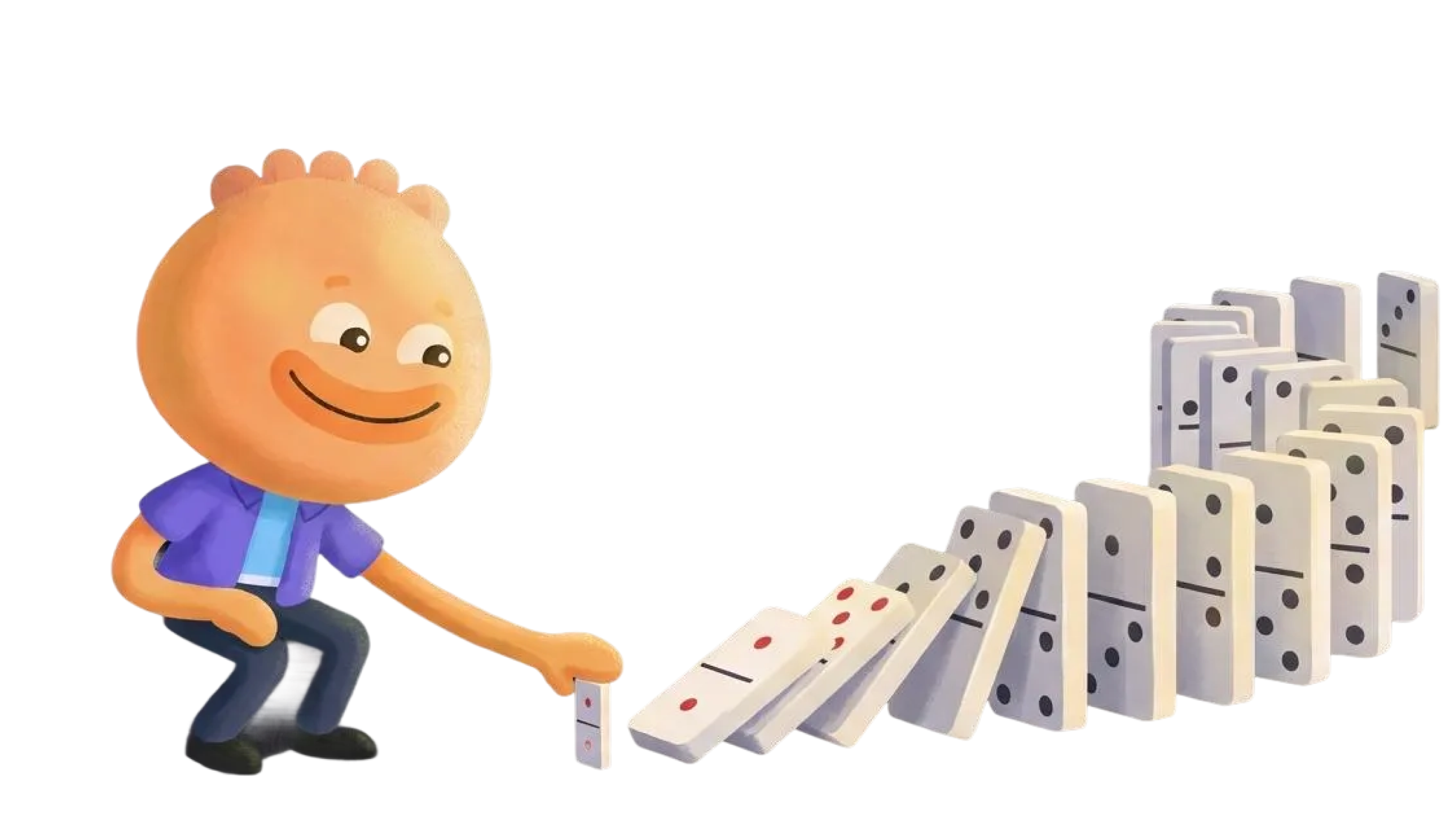
What Is a Micro Habit?
A micro habit is a behavior so small it feels almost pointless. Two push-ups. One glass of water. Thirty seconds of deep breathing. That's the entire commitment.
The idea comes from BJ Fogg's research at Stanford, which found that shrinking a behavior to its absolute minimum removes the motivation barrier entirely. You don't need willpower to drink a glass of water. You don't need to psych yourself up for two push-ups. And because the behavior requires almost zero effort, you actually do it. Every day. Without negotiation.
This is an examples-first article. We've collected over 50 micro habits organized by life area so you can pick the ones that fit your situation right now. For the methodology behind starting small, see our guide to the 2-minute rule for habits. For the psychology of why small wins rewire your brain over time, see tiny wins build momentum.
Every example here takes under two minutes. Most take under thirty seconds. That's the whole point.
Why Micro Habits Work (The Science)
The habit formation research from University College London found that simpler behaviors become automatic much faster. Drinking a glass of water at lunch reached automaticity in about 20 days. Running for 15 minutes took over 84 days. The simpler the action, the shorter the path to autopilot.
This matters because automaticity is the real prize. Once a behavior is automatic, it costs you nothing. No willpower. No decision-making. No internal debate. You just do it, the way you just brush your teeth. Micro habits reach that automatic state faster than any other approach because they sit at the very bottom of the complexity scale.
There's a second mechanism at work too. Research on habit-based behavior change shows that consistent context-dependent repetition (same behavior, same situation, every day) creates a strong cue-response link in your brain. The morning alarm goes off and your body reaches for the water glass without conscious thought. Your feet hit the floor and you're in a plank position before your prefrontal cortex has fully woken up.
The third factor is what Fogg calls "success momentum." Each completed micro habit generates a small positive emotion. That emotion reinforces the behavior loop. Feeling successful (even at something tiny) makes you more likely to do it again tomorrow. Feeling like a failure (because you tried to run 5k and lasted 8 minutes) makes you more likely to quit. Micro habits tilt the emotional math permanently in your favor.
Morning Micro Habits
The first minutes after waking are a leverage point. Your brain is transitioning from sleep to wakefulness. Habits anchored to this transition stick faster because the cue (waking up) is automatic and unavoidable.
- Drink one glass of water before touching your phone. Dehydration from sleep slows cognition. This takes 15 seconds.
- Make your bed in under 60 seconds. Flat pillows, pulled duvet. Done. First completed task of the day.
- Stretch for 30 seconds. Touch your toes, arms overhead, twist left and right. That's it.
- Open a window or step outside for 10 seconds. Morning light exposure helps regulate your circadian rhythm.
- Write one sentence about what you're grateful for or what you want to accomplish. One sentence, not a journal entry.
- Take three deep breaths before checking any screen. Inhale four seconds, hold four, exhale four.
- Do two push-ups right next to your bed. The bar is so low you can't say no.
- Say one positive statement out loud. "I'm going to have a productive day." Sounds silly. Works anyway.
The key is anchoring each habit to a specific moment you already do. "After I turn off my alarm, I drink water." "After I stand up, I stretch." These if-then links are what psychologists call implementation intentions, and they dramatically increase follow-through. For more on which habits are worth tracking in the morning, see our best habits to track guide.
Health and Fitness Micro Habits
You don't need a gym membership or a 45-minute block. Some of the most effective health improvements come from behaviors that take seconds.
- Do 2 squats every time you go to the bathroom. You already go multiple times per day. That's 10+ squats by evening without "working out."
- Eat one piece of fruit before lunch. Not a complete diet overhaul. Just one piece of fruit.
- Take the stairs for one flight. If you usually take the elevator to floor 6, take the elevator to 5 and walk one flight.
- Stand up and move for 30 seconds every hour. Set a timer if you need to.
- Floss one tooth. Yes, just one. BJ Fogg used this exact example. You'll almost certainly floss more once you start, but the commitment is one tooth.
- Do a 10-second plank after brushing your teeth at night. Ten seconds. Your toothbrush timer probably lasted longer.
- Drink a glass of water before every meal. Three meals, three glasses. Easy hydration boost.
- Walk for one minute after eating dinner. Not a walk around the block. Literally 60 seconds of movement.
- Put your phone on the other side of the room at bedtime. This single action improves sleep quality because you won't scroll at 1am.
- Close your eyes and take 5 deep breaths when you feel stressed. Five breaths take about 30 seconds.
Productivity Micro Habits
Productivity isn't about working more hours. It's about reducing friction at the moments that matter.
- Write tomorrow's top priority before closing your laptop. One line. Takes 10 seconds. Saves 20 minutes of morning fog.
- Clear one item from your inbox instead of trying to reach inbox zero. One reply, one archive, one delete.
- Close all browser tabs you're not actively using. Right now. Every open tab is a tiny attention leak.
- Set a timer for 5 minutes before starting a task you're dreading. Commit to just 5 minutes. This is the 2-minute rule in practice.
- Put your phone in another room during your first work block. Out of sight removes the temptation to check.
- Write one sentence of that report/email/project you've been avoiding. One sentence breaks the paralysis.
- Review your calendar for 30 seconds each morning. Know what's coming before it arrives.
- Organize one file or folder on your desktop. Not the whole desktop. One.
- Say "no" to one unnecessary commitment this week. Protecting your time is a habit too.
- Take a 60-second break between meetings. Stand, stretch, reset. Don't jump straight from one call to the next.
Mental Health Micro Habits
Mental health benefits compound the same way physical ones do. Small daily practices build resilience over weeks and months.
- Name the emotion you're feeling right now. "I'm anxious." "I'm frustrated." Labeling emotions reduces their intensity. Neuroscientists call this affect labeling.
- Spend 30 seconds in silence. No phone, no music, no podcast. Just sit. Thirty seconds of stillness resets your nervous system.
- Write one thing that went well today. Not a gratitude journal. Just one line.
- Unfollow one social media account that makes you feel worse about yourself. One per week adds up fast.
- Step outside for 60 seconds. Fresh air and a change of environment interrupt rumination loops.
- Do a 30-second body scan. Start at your feet. Notice tension. Relax it. Move up. You won't finish the whole body in 30 seconds, and that's fine.
- Compliment yourself once per day. Out loud or written down. "I handled that meeting well." "I showed up when I didn't feel like it."
- Limit yourself to one news check per day. Pick a time. Stick to it. The news will still be there.
- Put your phone away 10 minutes before bed. Even 10 minutes of screen-free time before sleep helps your brain transition. For more strategies, see our guide on how to reduce screen time.
Relationship Micro Habits
Relationships don't fail because of one big event. They erode from thousands of small missed moments. Micro habits reverse that erosion.
- Send one text to someone you care about. Not a reply. An unprompted message. "Thinking of you." Takes 10 seconds.
- Put your phone face-down during conversations. It signals "you have my full attention" without saying a word.
- Ask one genuine question when someone tells you about their day. Not "how was your day?" (that's generic). Try "what was the best part?" or "what was hard?"
- Say "thank you" for one specific thing your partner, roommate, or colleague did today. Specific beats generic. "Thanks for making coffee" beats "thanks for everything."
- Make eye contact for 3 seconds when greeting someone. Three seconds feels longer than you think. It communicates presence.
- Listen for 30 seconds without planning your response. Just listen. The urge to formulate a reply while the other person is still talking is strong. Resist it once per conversation.
- Share one thing you learned today with someone you live with. It creates a tiny ritual of intellectual connection.
Financial Micro Habits
Financial health is built on small daily decisions more than big annual strategies.
- Check your bank balance once per day. Takes 15 seconds. Awareness alone changes spending behavior.
- Wait 24 hours before any non-essential purchase over $20. This kills impulse buying without requiring discipline.
- Round up one purchase to the nearest dollar and transfer the difference to savings. Many banking apps automate this.
- Unsubscribe from one marketing email per day. Fewer temptation triggers means fewer impulse purchases.
- Pack one meal per week instead of buying lunch. Not every day. Just one.
- Review one subscription per month. Do you still use it? Is there a cheaper alternative? One per month catches the leaks.
Evening Micro Habits
Evenings are where tomorrow's success gets built. These habits take seconds and set you up for better sleep and a stronger morning.
- Lay out tomorrow's clothes. Eliminates one decision from your morning and signals your brain that the day is wrapping up.
- Wipe down one surface in your kitchen or bathroom. Not a deep clean. One surface. 20 seconds.
- Write tomorrow's single most important task. Not a to-do list. One task. The one thing that, if completed, makes tomorrow feel successful.
- Set your phone to Do Not Disturb 30 minutes before your target bedtime.
- Read one page of a book. Not a chapter. One page. Most people read more once they start, but the commitment is one page.
- Do 30 seconds of stretching before getting into bed. Hamstrings, shoulders, neck. Thirty seconds.
- Think of one good thing that happened today. Not a journaling exercise. Just one thought. End the day on that note.
Micro Habits vs. Regular Habits vs. Goals
People confuse these three concepts constantly. Here's how they differ and when each one works best.
| Dimension | Micro Habit | Regular Habit | Goal |
|---|---|---|---|
| Example | Do 2 push-ups | Exercise 30 min daily | Lose 10 kg |
| Time required | Under 2 minutes | 15-60 minutes | Varies (weeks to months) |
| Willpower needed | Almost none | Moderate | High (ongoing) |
| Failure rate | Very low | Moderate | Very high (~80%) |
| Time to automaticity | 18-30 days | 60-90+ days | N/A (goals aren't automatic) |
| Best for | Building consistency first | Sustaining established routines | Defining direction |
| Scales naturally? | Yes (2 push-ups become 20) | Only if already consistent | No (fixed endpoint) |
The smart approach: use goals to set direction, micro habits to build the behavior, and let those micro habits naturally grow into full habits over time. This is how habits that actually stick get built.
If you're curious about how long this process takes, the research says 18 to 254 days depending on complexity. Micro habits sit at the fast end of that range precisely because they're so simple. And if you want a structured timeline, the 21/90 rule provides a useful two-phase framework for thinking about the commitment.
How to Start Micro Habits (3 Steps)
Don't pick ten habits from the list above. That defeats the purpose. Here's how to actually start.
Step 1: Pick One Habit
Choose the micro habit from this list that solves your most pressing friction point right now. Waking up groggy? Start with "drink one glass of water." Feeling scattered at work? Start with "write tomorrow's top priority." One habit. That's it.
Step 2: Attach It to an Existing Behavior
Your new micro habit needs a trigger. The most reliable triggers are behaviors you already do every day. "After I [existing behavior], I will [new micro habit]." After I brush my teeth, I'll do a 10-second plank. After I sit down at my desk, I'll write my top priority. After I put my phone on the charger, I'll read one page. This is what habit researchers call "context-dependent repetition", and it's the fastest path to automaticity.
Step 3: Track It (Simply)
A single tap. Done or not done. That's all the tracking a micro habit needs. No notes, no percentages, no streaks that make you feel guilty. Just a binary "did I do it today?" The act of checking it off creates a small reward signal that reinforces the loop. If tracking itself starts to feel like a burden, our guide on habit tracking without burnout covers how to simplify. And Habi was designed for exactly this kind of lightweight, one-tap tracking.
Once the first habit feels effortless (you do it without thinking for a couple of weeks), add a second one. Then a third. Over months, these micro habits compound into something that looks like discipline from the outside but feels like autopilot from the inside. That's the compound effect of tiny wins in action.
Frequently Asked Questions
What is a micro habit?
A micro habit is a behavior so small it takes less than two minutes and requires almost zero willpower. Examples include drinking one glass of water after waking up, writing one sentence in a journal, or doing two push-ups after brushing your teeth. The concept draws from BJ Fogg's Tiny Habits research at Stanford, which found that shrinking a behavior to its smallest possible version makes it far easier to repeat consistently, and consistency is what builds automaticity over time.
How many micro habits should I start with?
Start with one to three micro habits. The biggest mistake people make is launching ten new behaviors at once, which splits your attention and drains the mental energy needed for consistency. Pick one micro habit that feels almost too easy, practice it for two to three weeks until it requires no conscious effort, then add the next one. Research on habit formation shows that simpler behaviors reach automaticity much faster, sometimes in as few as 18 days.
Do micro habits actually lead to big changes?
Yes, but through a different mechanism than most people expect. Micro habits work because they build consistency first and scale second. Once a behavior becomes automatic (you do it without thinking), you naturally expand it. The person who started with two push-ups eventually does ten, then twenty. The person who started with one sentence eventually writes a full page. The micro version is the entry point, not the end state. Research from UCL confirmed that simple, repeated behaviors in consistent contexts develop into automatic habits.
What is the difference between micro habits and regular habits?
The difference is scope, not mechanism. A regular habit might be "exercise for 30 minutes" or "read for an hour." A micro habit is the smallest possible version: "do two squats" or "read one page." Both follow the same neurological pathway of cue, routine, reward. The advantage of starting micro is that it removes the motivation barrier entirely. You don't need to feel motivated to do two squats. Once the neural pathway is established, expanding the behavior is far easier than starting from scratch. For the methodology behind this principle, see the 2-minute rule for habits.
How do I track micro habits without it becoming overwhelming?
Use a simple binary tracker where each habit is either done or not done for the day. No need to log duration, intensity, or details. A single tap to mark it complete is enough. The act of tracking reinforces the behavior by creating an additional reward signal. If tracking starts to feel like a chore, you're probably tracking too many habits at once. Scale back to three or fewer until those feel effortless, then consider adding more. Habi was designed for exactly this type of lightweight, one-tap daily tracking.
Final Thoughts
The list above has 57 micro habits. You need one. Pick the one that solves your biggest friction point right now, attach it to something you already do, and track it with a single tap. Don't overthink the choice. The best micro habit is the one you'll actually do tomorrow morning.
These tiny behaviors won't transform your life this week. They won't transform it this month. But six months from now, when you're doing 20 push-ups without thinking about it, reading 30 pages a night without forcing it, and checking your bank balance daily without anxiety, you'll understand why the micro version was the right starting point.
Micro habits aren't the destination. They're the on-ramp to the identity you want to build. Each one is a vote for the person you're becoming. And the voting booth is open right now.
If you want a quiet, simple place to track your first micro habit, download Habi. One tap per day. No complexity. Just proof that you showed up.